

For years, finance was underpaid.
But 2026 will be a great year for finance.
This is not a feel-good cycle. It’s a structural reset in how companies value finance talent, and especially the CFO office.
When a Big Four firm allocates $1 billion explicitly to raise compensation, that’s not generosity. That’s pressure. The labor market forced their hand.

So what actually changed and why does this moment matter?
Let’s dive in
The real problem wasn’t pay. It was supply.
The current salary surge isn’t driven by generosity or inflation catch-up.
It’s driven by scarcity.
Finance and accounting roles have exploded in demand while the talent pipeline quietly collapsed.
87% of CFOs report an active talent shortage.
Open finance and accounting roles are up ~150% year over year
Unemployment for experienced accountants sits around 1–2%
That last number matters most.
It means everyone who can do the job is already employed.
So companies are no longer hiring talent.
They’re poaching it.
And poaching only works when you pay more or offer something materially better.
How finance ended up underpaid in the first place
This didn’t happen overnight.
For more than 20 years, finance salaries lagged behind:
Tech
Consulting
Engineering
Data & analytics
Accounting graduates entered the workforce earning ~$60K, while computer science peers started near $87K.
Even worse: Over 6 years, accounting pay grew ~16% … below inflation.
In real terms, finance professionals got poorer.
Why did companies allow that?
Because finance was treated as
Predictable
Replaceable
Operational
A cost center that had to exist but didn’t need to be competitive.
No one wanted to be the first firm to raise pay and compress margins.
So no one did.
Until the system broke.
Burnout emptied the pipeline
Flat pay met rising complexity.
Long hours.
Regulatory pressure.
Busy seasons with no relief.
So, Senior professionals retired early. Mid-career talent exited entirely. Students stopped enrolling.
Suddenly, the profession realized something uncomfortable.
You can’t run a modern company without experienced finance talent.
And there aren’t enough people left to do the work.
That’s the moment leverage flipped.
The turning point wasn’t private salary adjustments.
It was public admission.
When Ernst & Young announced a $1B investment to raise early-career accounting pay, it sent a clear signal:
“Finance salaries are no longer competitive, and that’s a business risk.”
That broke the silence.
Once one major firm moved, others had cover to follow.
Since then:
Tax and audit roles are seeing high single-digit increases
Treasury and core finance roles saw their largest raises in a decade
Public accounting salary growth is now outpacing broader finance roles
This is systemic.
Compensation alone is no longer enough
Here’s what changed next… and why it matters more than salary.
Companies realized they weren’t just losing people to money.
They were losing them to burnout and rigidity.
So the competition expanded:
Sign-on and retention bonuses normalized.
Hybrid and remote work became standard, not optional.
Wellness budgets, mental health support, and student loan assistance moved into finance offers.
The phrase “total compensation” stopped being HR language.
It became a hiring requirement.
Finance people are no longer negotiating just pay.
They’re negotiating how work fits into life.
Why the CFO office is the real winner
This isn’t about accountants or FP&A getting raises.
It’s about how finance itself is being redefined.
Modern finance isn’t about closing books faster.
It’s about:
Risk navigation
Capital allocation
Scenario modeling
Decision support under uncertainty
That work sits at the center of the business.
Which is why CFOs now say their biggest gap isn’t reporting.
It’s FP&A and strategic insight.
This is why ‘Storyteller’ is suddenly one of the hottest job titles in Corporate America.
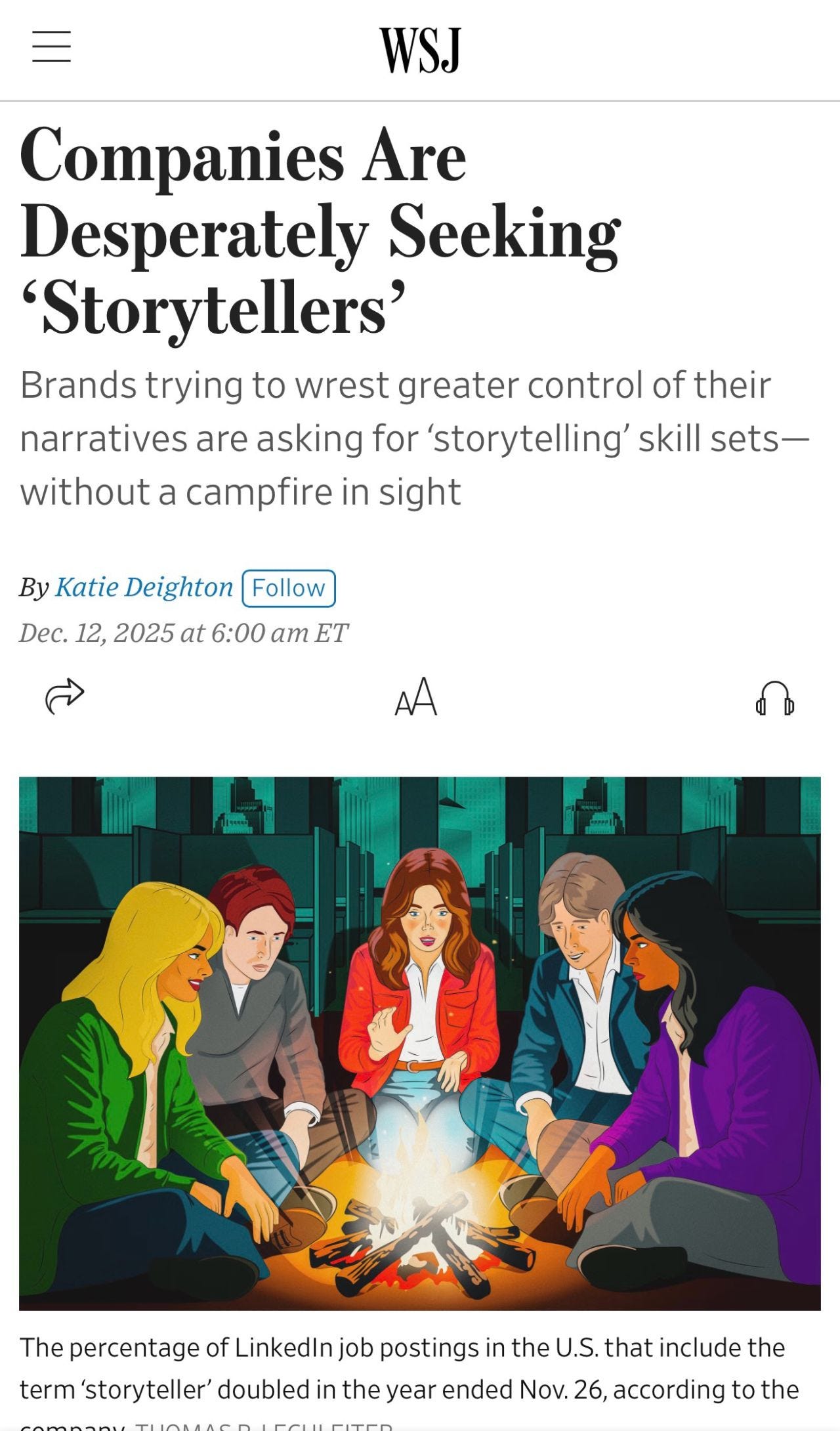
The market is paying premiums for:
Finance leaders who can interpret data.
Professionals who combine finance and analytics.
Operators who understand systems, not just statements.
These are not back-office skills.
They are executive infrastructure.
Rare skills always earn more and finance became rare
Here’s the simple economic truth underneath all this:
Finance skills used to be common.
They aren’t anymore.
Not at the level companies need.
That’s why:
Tax specialists command negotiation leverage
Controllers are harder to hire than product managers
Finance leaders with tech fluency are bid up aggressively
The market isn’t overpaying.
It’s correcting years of underpricing.
What 2026 looks like from here
This trend won’t reverse overnight.
But expect companies to pay higher for decision-grade finance talent.
FP&A
Analyst: $85k–120k
Senior Analyst: $120k–160k
Manager: $150k–190k
Director: $180k–240k+
VP/Head of FP&A: $250k–500k+ (with equity)
Controllers
Senior Controller roles are now harder to fill than many product roles.
Total compensation regularly exceeds $200k–300k in complex environments.
CFO compensation
Mid-market CFOs: $300k–700k
Public company CFOs: $1–5M+
Equity-heavy strategic CFOs: $10M–$100M+ in peak years
Note: Finance professionals who invest in analytics, systems thinking, and strategic fluency will compound their value.
Those who don’t will feel the pressure, even in a rising market.
The Bottom Line
Finance didn’t suddenly become important in 2026.
Companies just ran out of people who could do the job properly.
Now they’re paying the price, literally.
According to the World Economic Forum, AI and Big Data are the core skills of 2030.
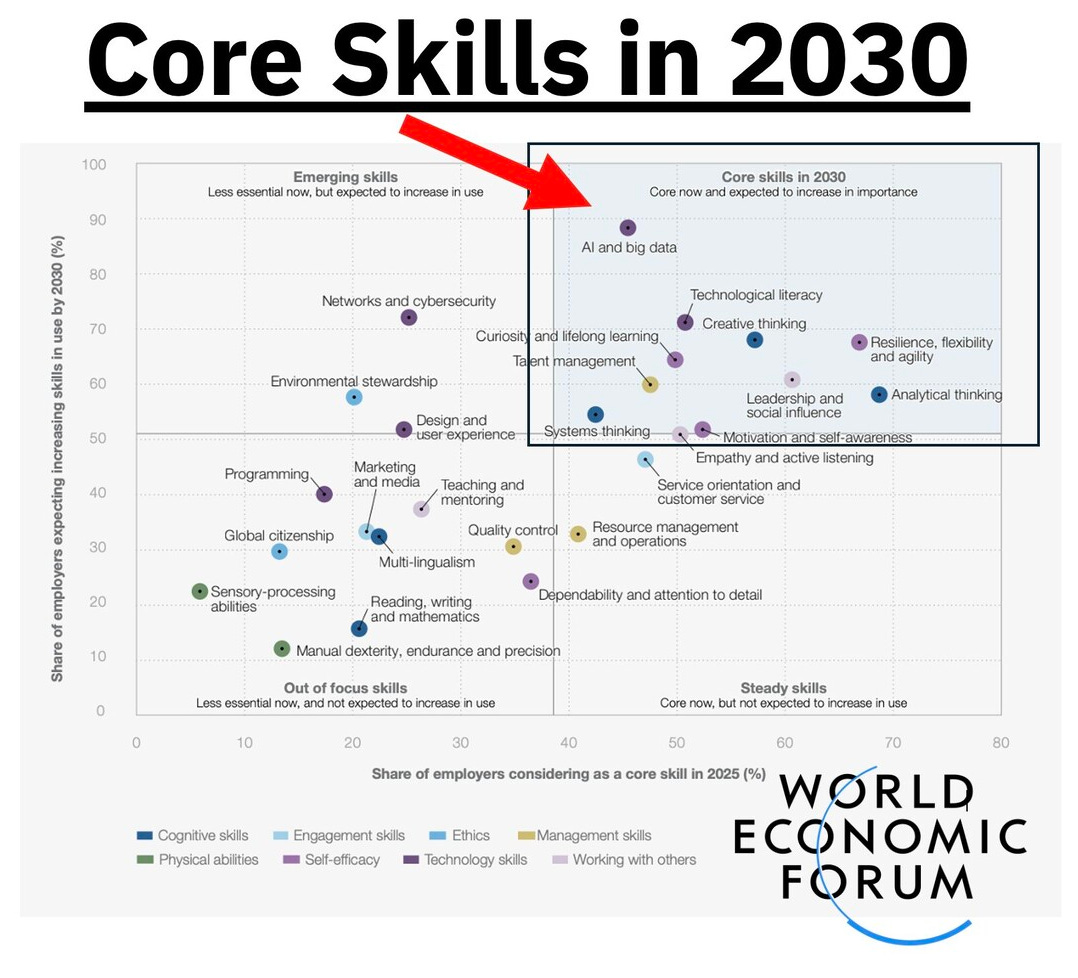
Every finance leader must master 3 skills:
AI
Big Data
Storytelling
Finance is no longer a support function.
It’s executive infrastructure.
And infrastructure gets funded or the system fails.
If you’re in the CFO office, this is your leverage moment.
Position yourself correctly.
And that’s all for today.
See you on Christmas (Thursday)!
Whenever you’re ready, there are 2 ways I can help you:
If you’re building an AI-powered CFO tech startup, I’d love to hear more and explore if it’s a fit for our investment portfolio.
I’m Wouter Born. A CFOTech investor, advisor, and founder of finstory.ai

Find me on LinkedIn