

Your team closes the month, explains the variances, and fixes the same problems it fixed last month. The lesson lives in someone’s head. Next month, the digging starts again.
Now the CEO wants faster answers without more people.
Finance teams may get smaller relative to the businesses they support.
People whose value rests on assembling reports face a harder career path. Working with Claude and AI is becoming part of moving up, alongside judgment and trust.
a16z describes the CFO’s evolution from accountant to banker to builder, with FP&A rising along the way. Its leanest teams target finance at 2% of headcount against an old heuristic of about 5%. Those are its observations, not a universal staffing prescription.
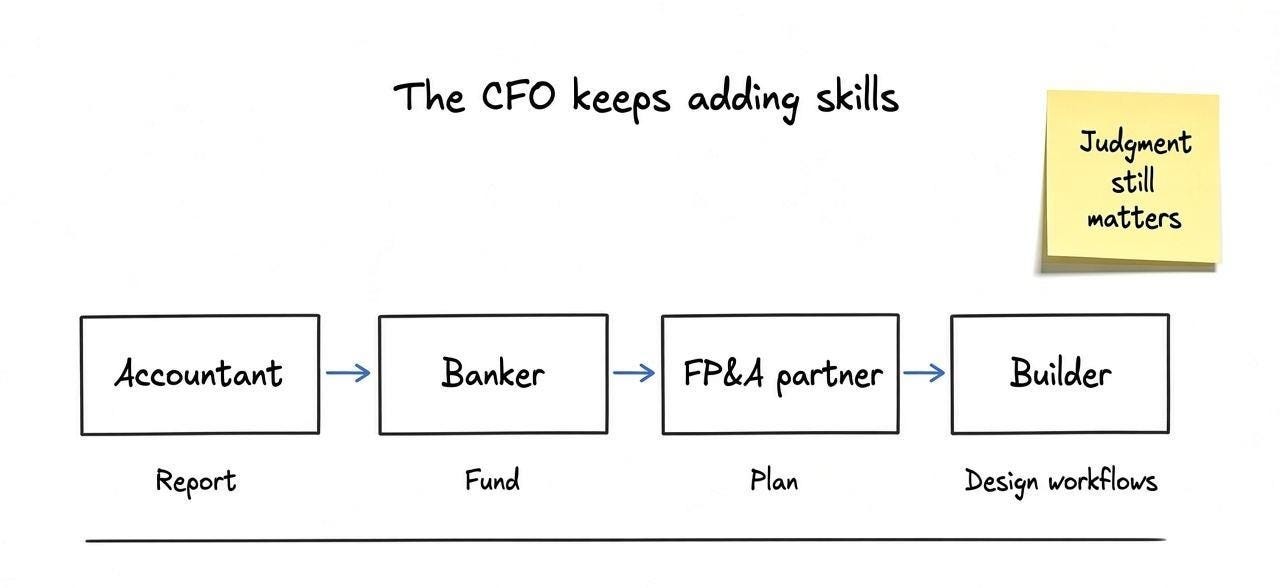
The builder’s job goes beyond automating a report. It includes making sure next month’s work benefits from this month’s experience.
AI isn’t replacing CFOs.
In today’s letter you’ll learn how to give Claude a small finance memory, check it against the evidence, and turn repeated work into skills. You keep approval. Claude does more preparation, with better instructions each time.
Trust starts with what Claude remembers
Anthropic’s new memory research opens with Kierkegaard’s idea:
“Life is understood backward but lived forward.”
Humans capture experiences as they happen.
Sleep and quiet rest appear to help consolidate some into lasting knowledge.
Claude can write notes during work, then review transcripts later to correct those notes, build linked reference pages, and keep the top-level memory small.
It calls that review “dreaming.”
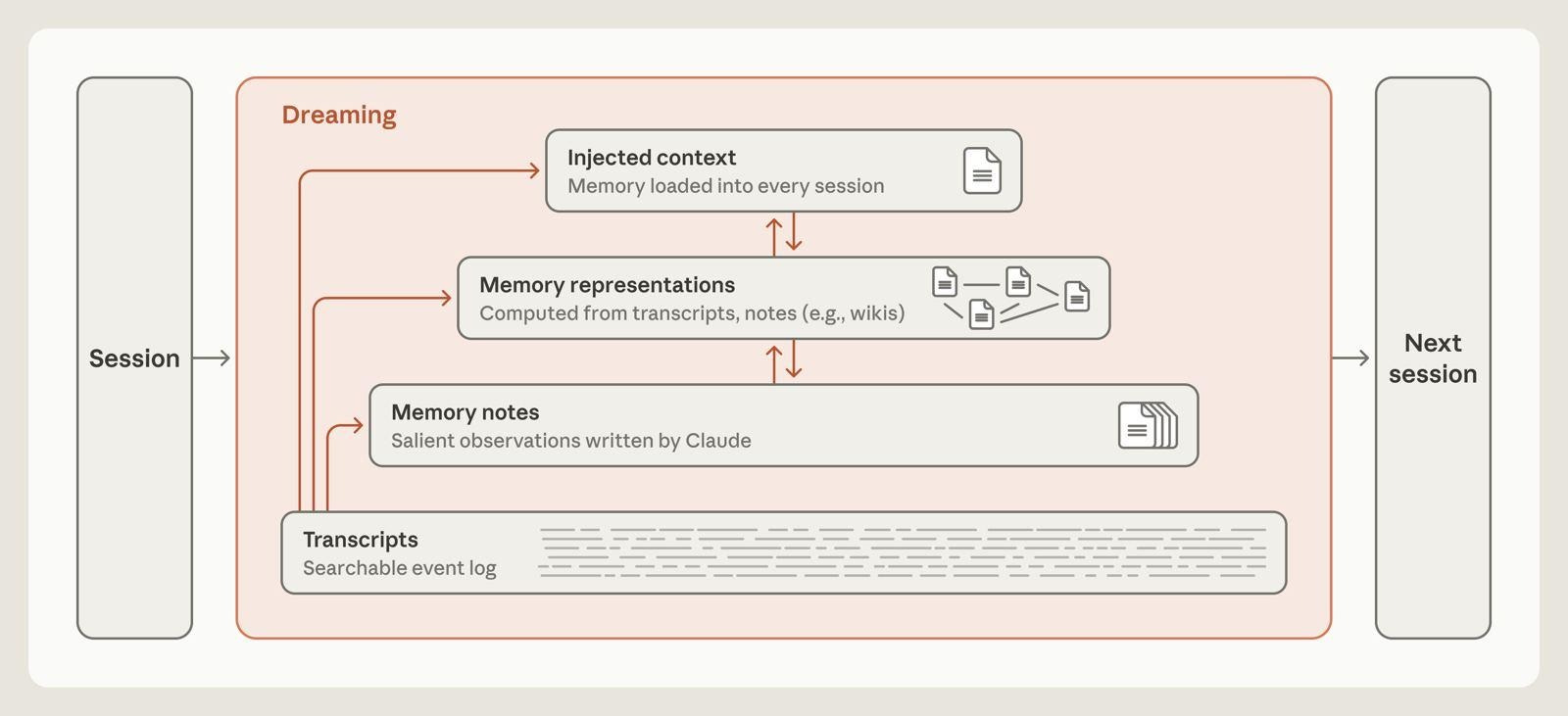
Figure: Anthropic, The components of agent memory (Nov 2026)
This is saved information Claude can read later.
It is not the model retraining itself, and it does not mean every Claude chat automatically runs an overnight review.
Memory predicts what a future task will need. That makes a wrong memory dangerous: yesterday’s guess can become tomorrow’s starting assumption.
In Anthropic’s Pokémon test, Claude wrongly noted which side of Mt. Moon held a landmark. It kept going the wrong way.
Reviewing the note against the transcript corrected it.
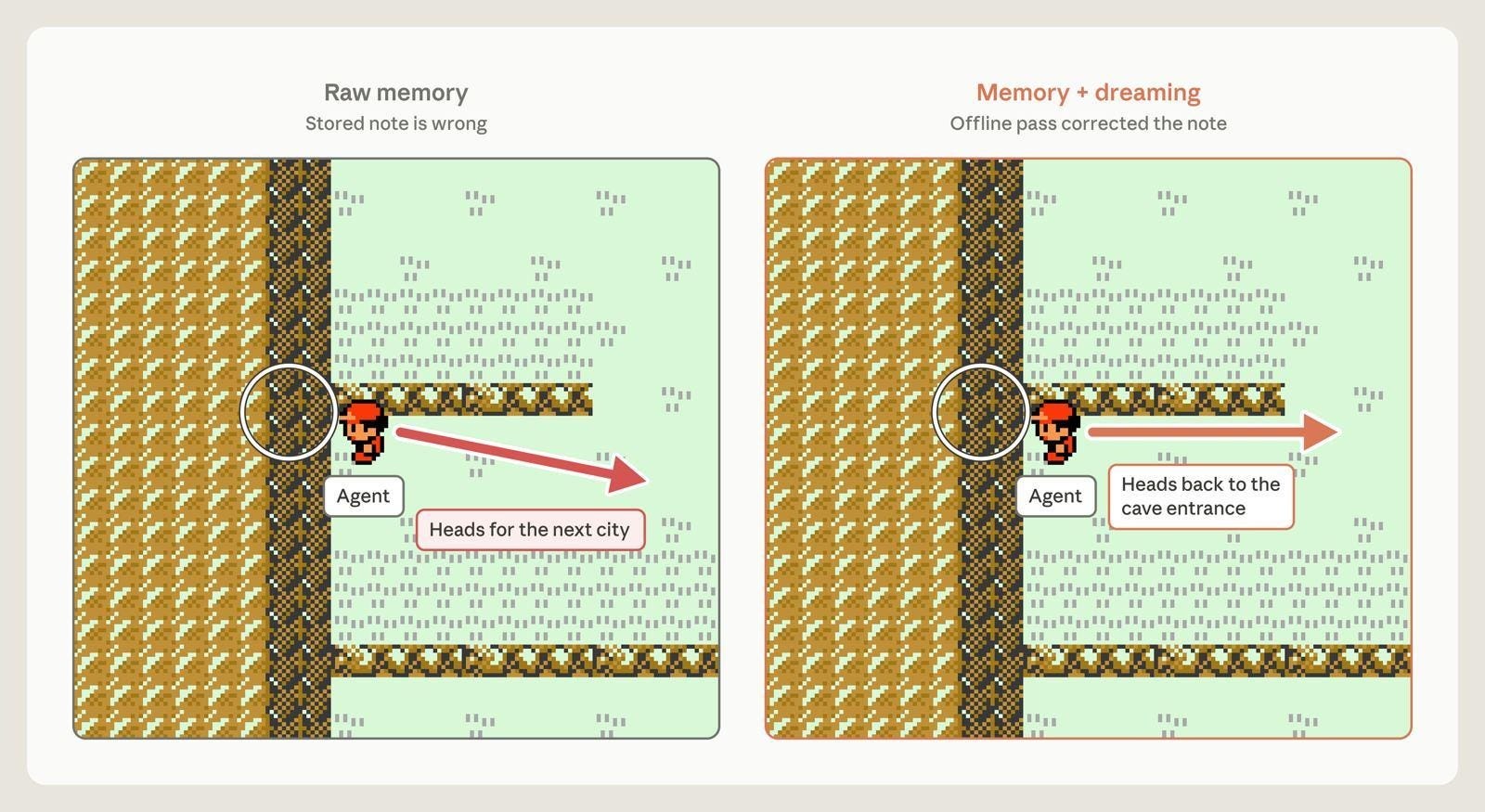
Figure: Anthropic, The components of agent memory (Nov 2026)
Finance has its own version:
“This supplier always bills in arrears.”
Before that becomes a rule, check the contract and invoice. A conversation records what someone said, not necessarily what is true.
Our variance build preserves reported figures, separates proposed changes and checks totals independently. Memory needs the same trail: claim, source, check, and reviewer. Arithmetic checks cannot approve an accounting judgment.
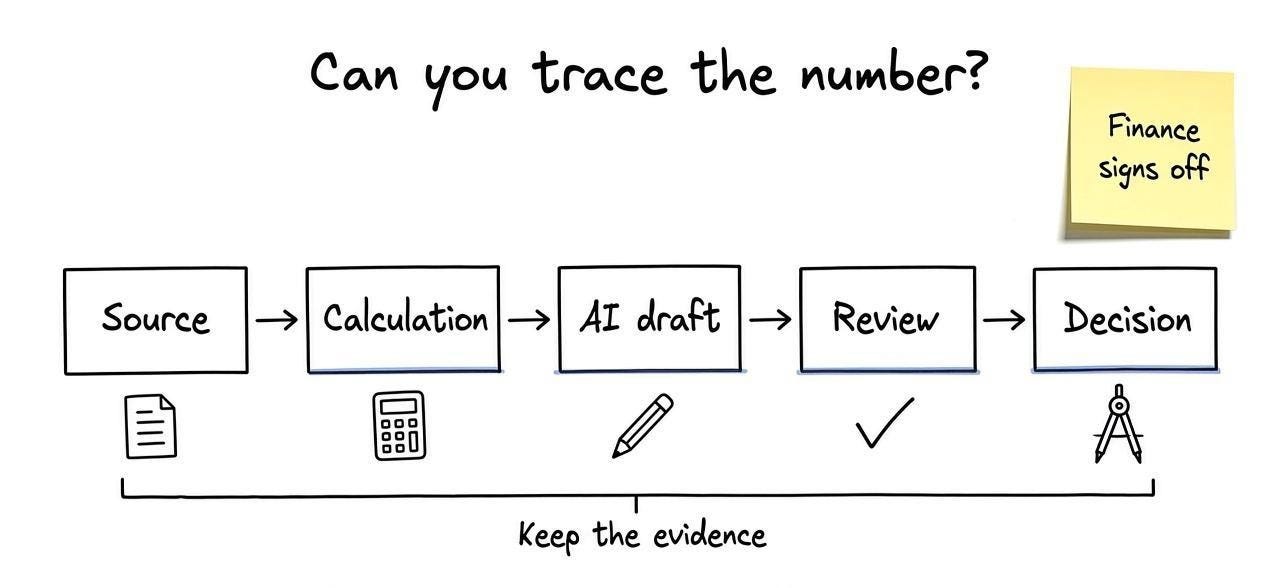
How CFOs can build a finance team that learns with Claude
Step 1: Start with one recurring decision
Pick budget variances, cash forecasting, or customer profitability.
Start with the variance skill and sample Excel pack, rather than your live books. Use an approved company account before uploading confidential data.
COPY/PASTE PROMPT
