

Recently, I showed you how to set up Claude Cowork as a finance team member.
Last week I wrote a prompting guide for GPT-5.4 in finance.
This week I tested Gemini in Google Sheets.
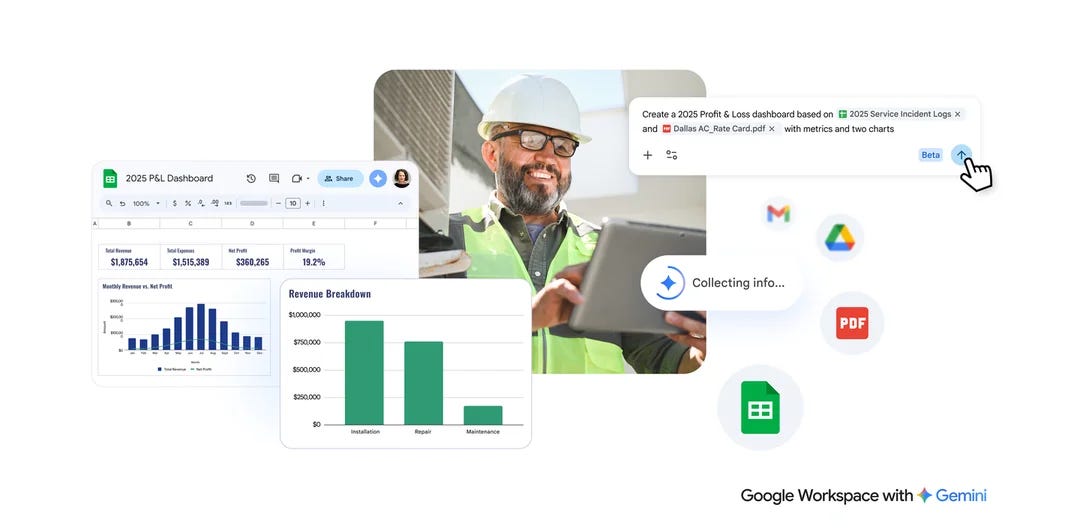
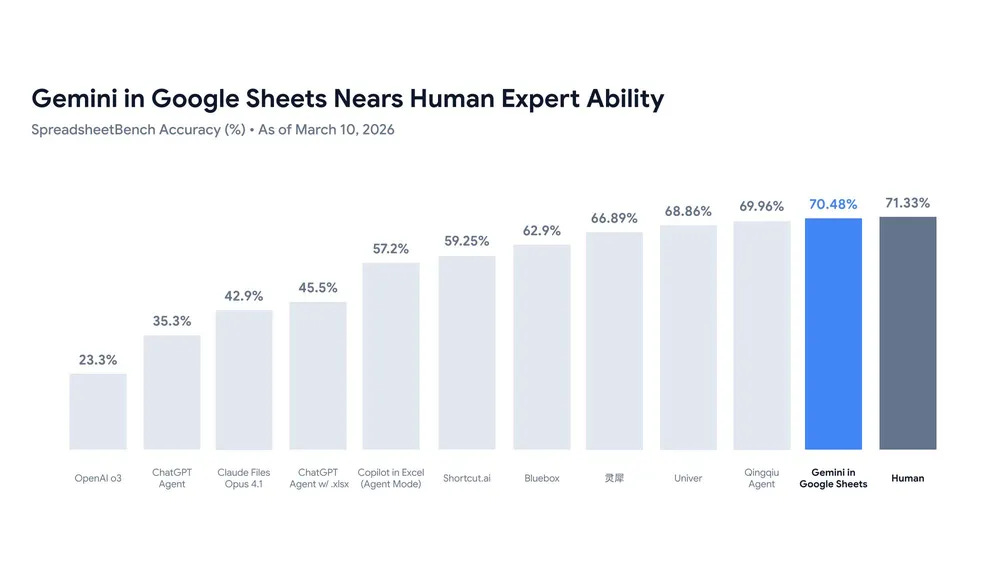
Google shipped a massive update on March 10. They claim state-of-the-art performance on spreadsheet benchmarks. They say Gemini hit a 70% success rate, higher than any competitor and approaching what human experts score.
Gemini in Google Sheets just achieved state-of-the-art performance
So I tried to build a real finance workflow with it.
The same kind of thing I built with Claude two weeks ago. Emails from department heads feed into a forecast model, assumptions are extracted, a dashboard is generated, and results are sent back.
The architecture is genuinely impressive.
Gemini reads your Gmail, searches your Drive, and writes to your Sheets in the same conversation. That’s something neither Claude nor ChatGPT can do.
The vision is right.
But the execution isn’t there yet.
Here’s what happened.
Where Google Has an Edge Nobody Talks About
The real story isn’t any single feature. It’s the architecture.
Microsoft built Copilot as an add-on to Excel.
Anthropic built Claude as an add-in that sits in a sidebar.
Both are powerful, but they’re guests in someone else’s house.
They can see the spreadsheet, but they can’t see your email, your documents, or your calendar without separate integrations.
Google built Gemini into the foundation.
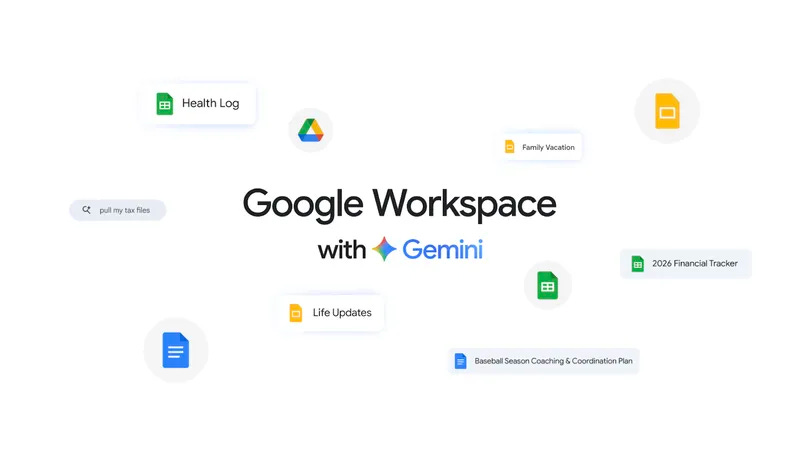
It reads your Gmail. It searches your Drive. It accesses your Chat history. It writes to your Sheets, Docs, and Slides. And it does all of this inside one conversation, with shared context across every app.
For a finance team, that means something specific.
Imagine your sales director sends you an email about a pipeline risk. Your marketing lead sends a budget update in Chat. Your product team uploads a revised headcount plan to Drive.
Right now, someone on your team manually collects all of that, opens a spreadsheet, and updates the forecast.
With Gemini, you tell it to pull those inputs together and it does.
No copy-pasting between tabs and inboxes.
Google’s own finance team has been doing this.
Jay Thacker, Head of Product Finance for Google Workspace, reported that Connected Sheets with BigQuery and Gemini cut their analysis time by roughly 75%.
His team runs queries on billions of transaction lines in seconds for real-time deal desk decisions.
That’s not a demo number.
That’s Google’s finance team using their own tool on their own data.
I Tried To Build a Rolling Forecast with Gemini in Google Sheets
I set up a simple test that any mid-market finance team would recognize.
Three store managers at a cycling retail company called Born2Cycle each send monthly forecast updates over email. Seattle, Portland, and Bend. Each email includes a narrative about what’s changed, what risks they see, and a spreadsheet attachment with their updated numbers.
I uploaded the corporate forecast model to Google Drive.
I sent myself three emails with the store updates and attachments. I gave Gemini access to my Workspace so it could read the emails and access the files.
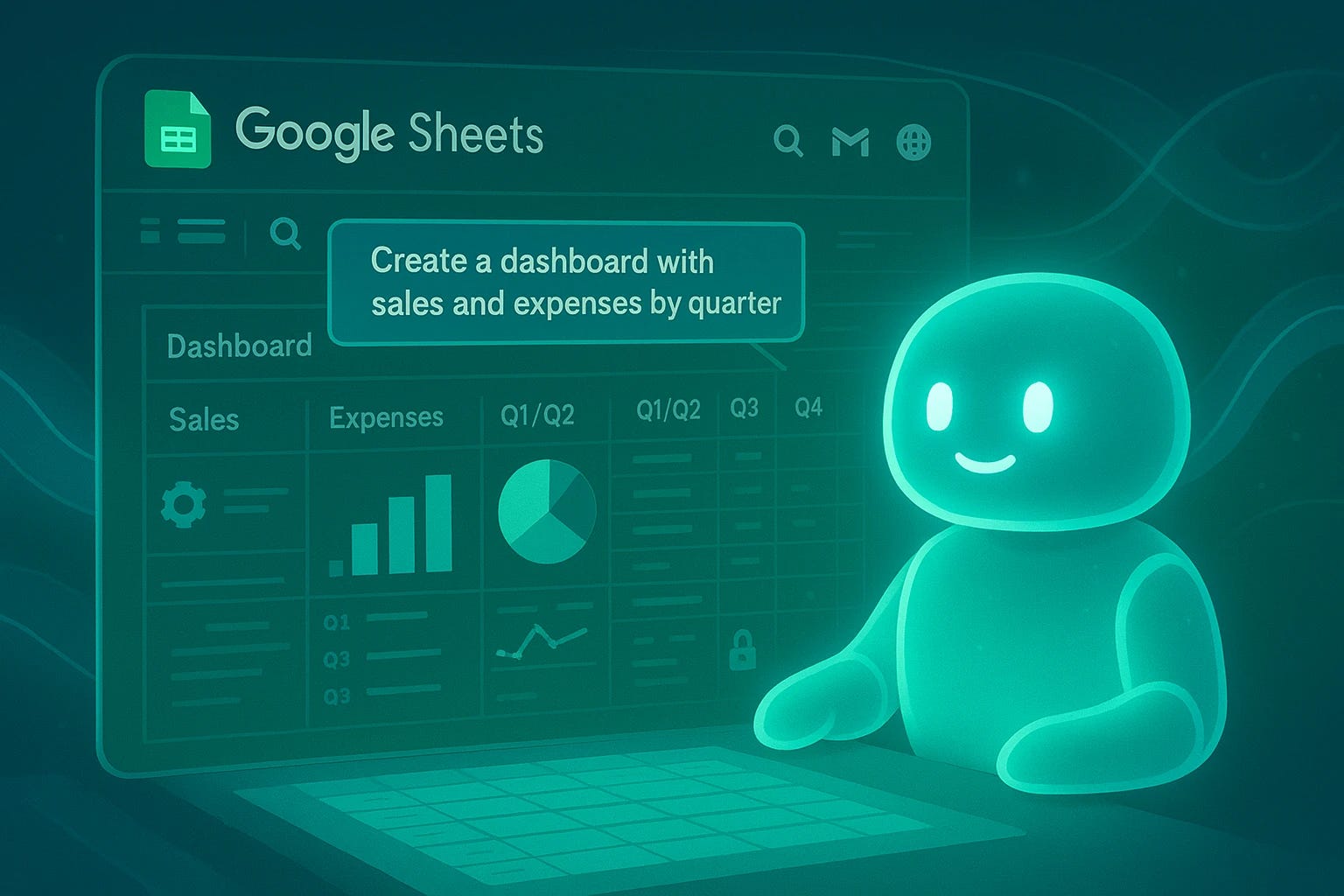
Then I asked it to do what any FP&A analyst would do: read the store emails, extract the assumptions, open the store forecast files, map the inputs to the corporate model, update the numbers, and create a summary tab flagging what changed and what needs CFO confirmation.
This is the kind of workflow that takes a junior analyst half a day.
It’s exactly the use case Google’s architecture was built for because it requires moving across Gmail, Drive, and Sheets in one flow.
You can use Google Gemini with a 14 day trial account.
Any gmail account will work.
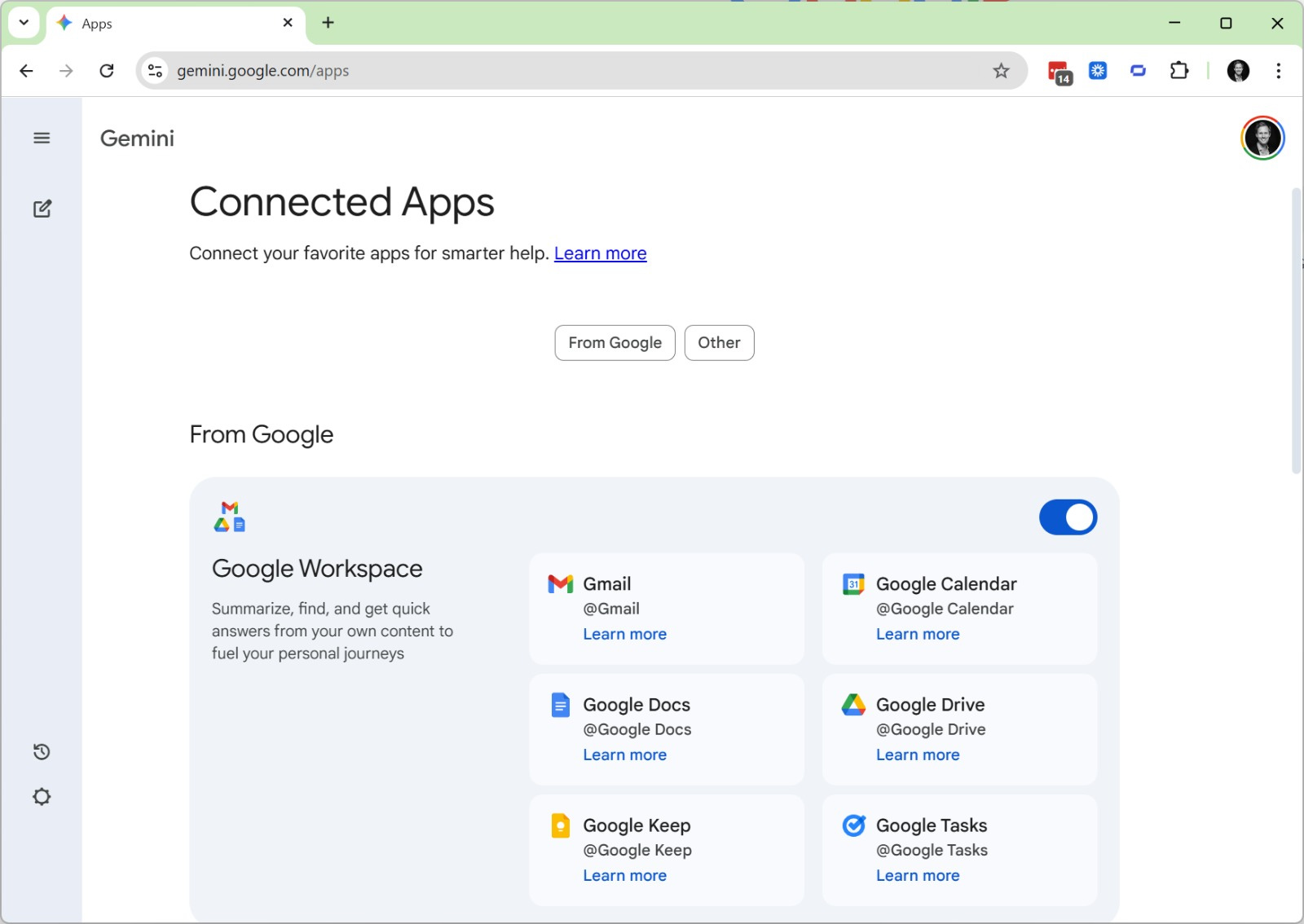
Open Gemini Apps and make sure you give Gemini access to your Google Workspace. So it can read/write emails and access Google Drive
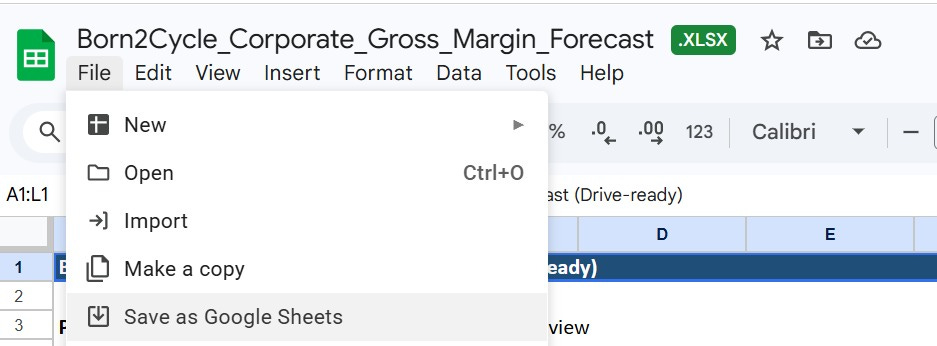
Upload this file to Google Drive to a subfolder called Born2Cycle Forecast.
Send yourself 3 emails with the following subject and body and the following attachments:
The first email with the Corporate forecast.
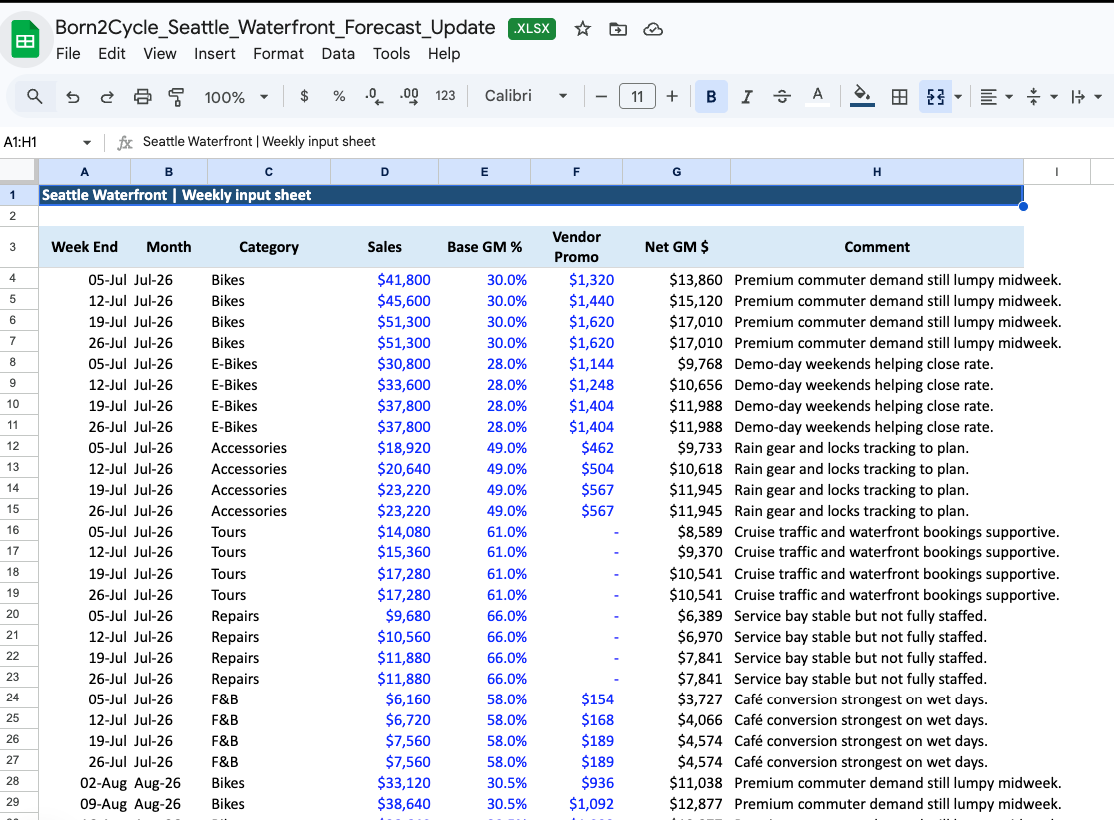
Subject: Seattle weekly margin update and promo bridge
Team,
Sharing the latest Seattle view. We have updated our forecast using the last four weeks of sell-through and current cruise / waterfront traffic patterns.
Headline read:
• Tours are the cleanest part of the business and are carrying margin through August.
• Bikes and e-bikes remain uneven midweek. We are seeing stronger weekend conversion, but weekday premium demand is still soft.
• Repairs are stabilising after staffing adjustments, though we are not assuming a big upside until the new service lead is fully productive.
Overall mood here is cautious. The team feels the business is improving, but visibility is still shorter than we would like, especially on premium bike demand. We would rather stay realistic than chase a top-line number that forces us into last-minute discounting.
See attached detail and the margin bridge for promo assumptions.
Best,
EthanJuly reforecast update - Portland Downtown

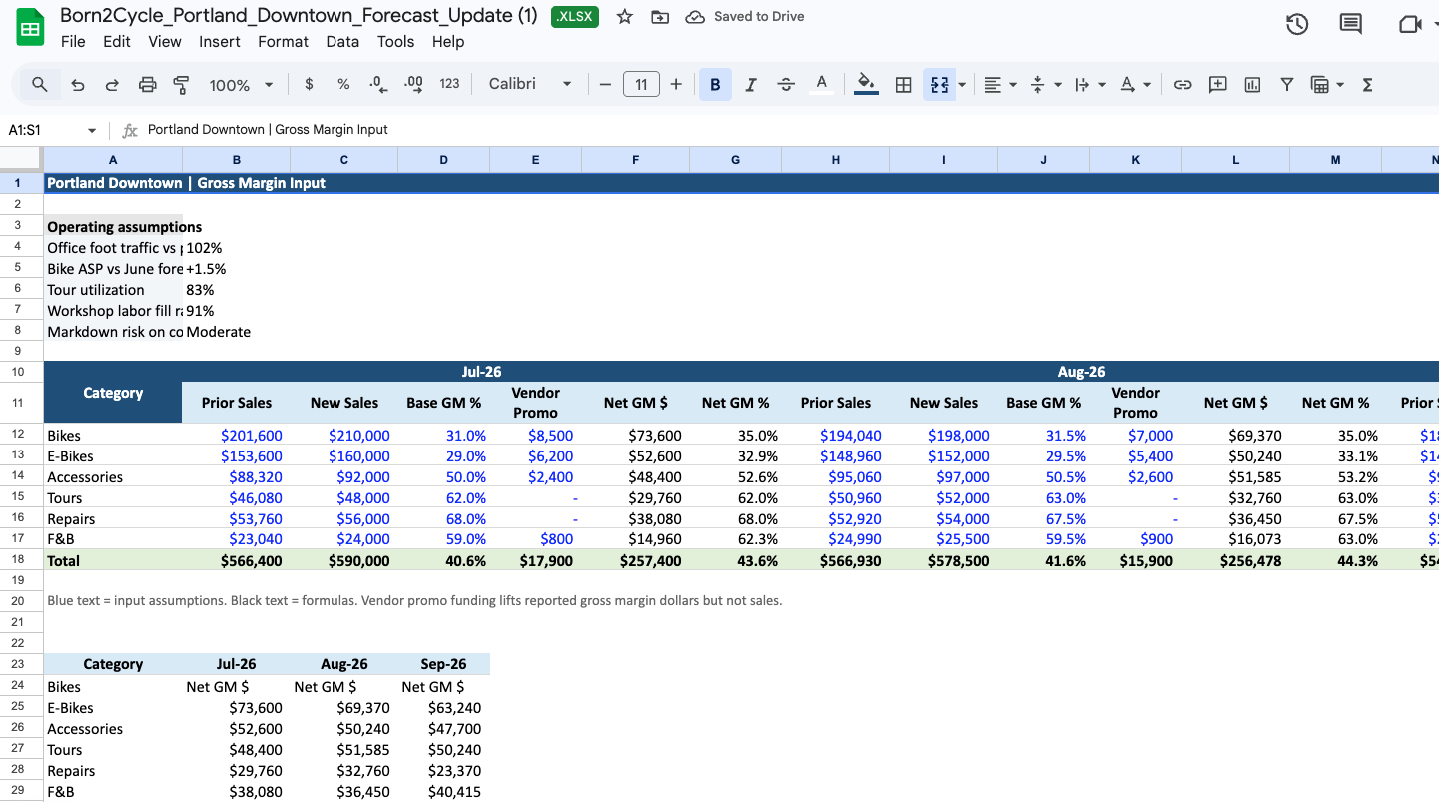
Subject: July reforecast update - Portland Downtown Hi FP&A team, We are sending an updated summer gross margin forecast for Portland Downtown. Demand has held up better than we expected in commuter bikes and workshop traffic, helped by downtown office attendance ticking up on Tuesdays through Thursdays. What changed vs last view: • Bikes are slightly lower on units than the June plan, but vendor support from Trek is preserving margin. • Accessories and workshop sales are outperforming because attach rates on commuter bundles remain healthy. • Tours are still solid for July/August, though we are keeping September conservative until we see how late-season tourism books. Tone from the floor is cautiously optimistic. Team energy is good, but we are still matching a few local bike-shop promotions on selected bikes and e-bikes, so mix matters more than volume right now. Please use the attached sheet as our latest view. Thanks, Maya
Subject: Bend pulse check - gross margin running ahead of plan
Hi all,
Bend is trending ahead of our last margin view and we are sending a refreshed forecast attached.
Key updates:
• Tours and rental-adjacent traffic continue to outperform, especially around weekend bookings and guided trail packages.
• Accessories are benefitting from hydration / safety attach, which is helping offset a more promotional bike market.
• Repairs are becoming a bigger late-season lever than we planned, as riders are coming in earlier for suspension and brake work before fall events.
Store sentiment is positive. The team feels confident in August, and September looks healthy if weather cooperates. We are still keeping bike units sensible, but margin quality is better than expected because mix has skewed toward mountain and premium service.
Attached is the latest pulse sheet with risks and opportunities.
Thanks,
SofiaOpen the email attachments and save them to drive and move them to the Born2Cycle Forecast folder
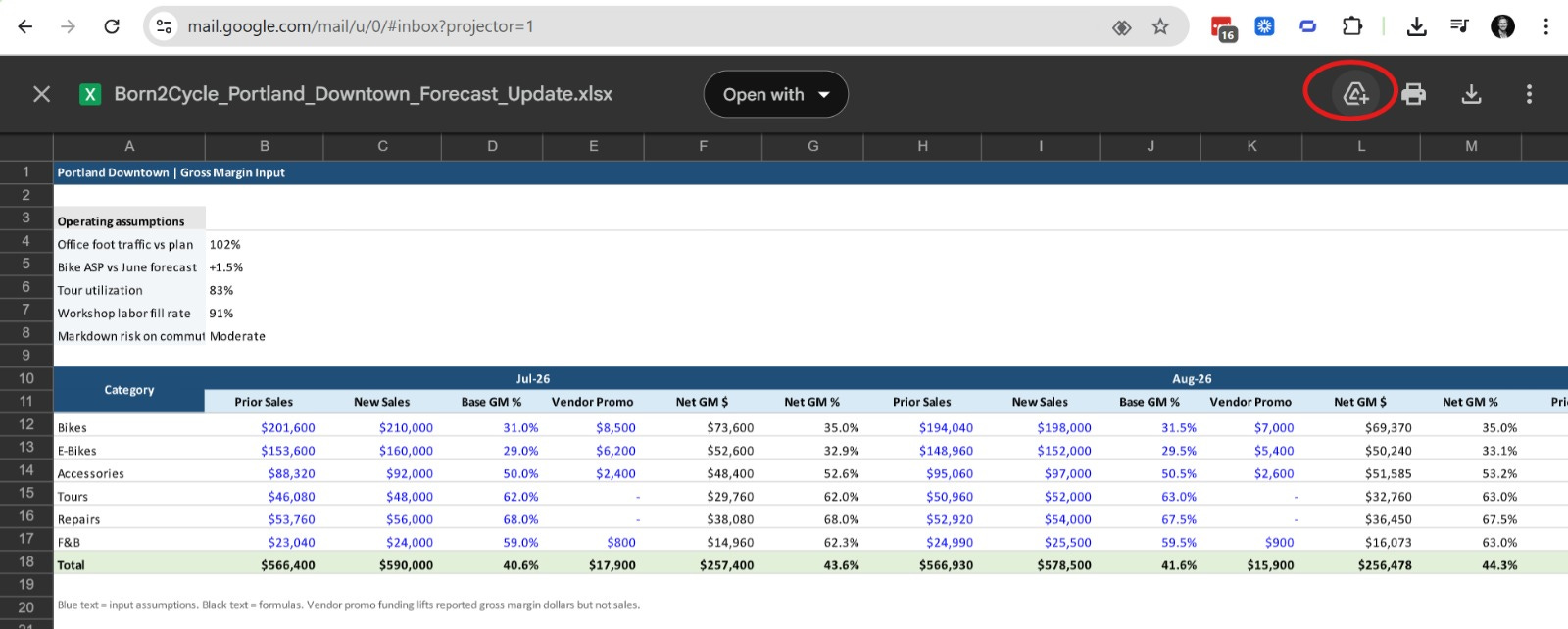
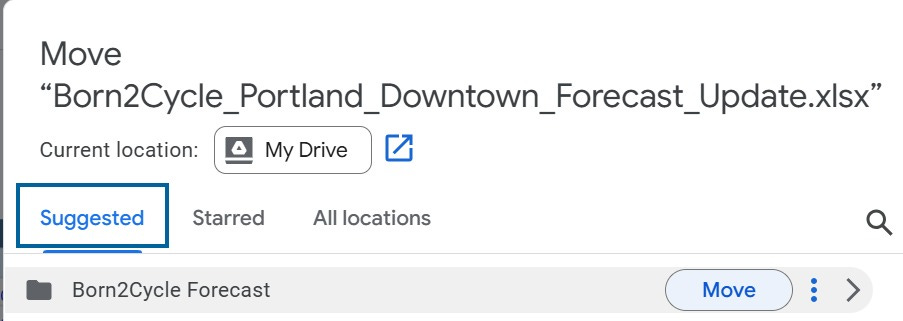
Open the corporate forecast inside Google Sheets and give the following prompt.
Update this Born2Cycle corporate gross margin forecast using the latest store forecast inputs.
Use the three store input files in the Born2Cycle Forecast folder:
@Born2Cycle_Portland_Downtown_Forecast_Update
@Born2Cycle_Seattle_Waterfront_Forecast_Update
@Born2Cycle_Bend_Old_Mill_Forecast_Update
Also consider the sentiment and qualitative comments from the latest store forecast emails.
Please do the following:
1. Extract the numeric forecast inputs from the three store files.
2. Map the inputs to the corporate model structure in this sheet.
3. Update store-level sales, gross margin $, and GM% where the store forecasts changed.
4. Reflect vendor promotions or mix shifts mentioned in the updates.
Keep the structure of the model intact and preserve the prior forecast comparison.
Then create a tab called "Forecast_Update_Review" summarizing:
• changes by store
• changes by business line (Bikes, Accessories, Tours, Repairs, F&B)
• main gross margin drivers
• any assumptions that require CFO confirmation
Keep the output concise and formatted like a finance team working review.This is how it looks.
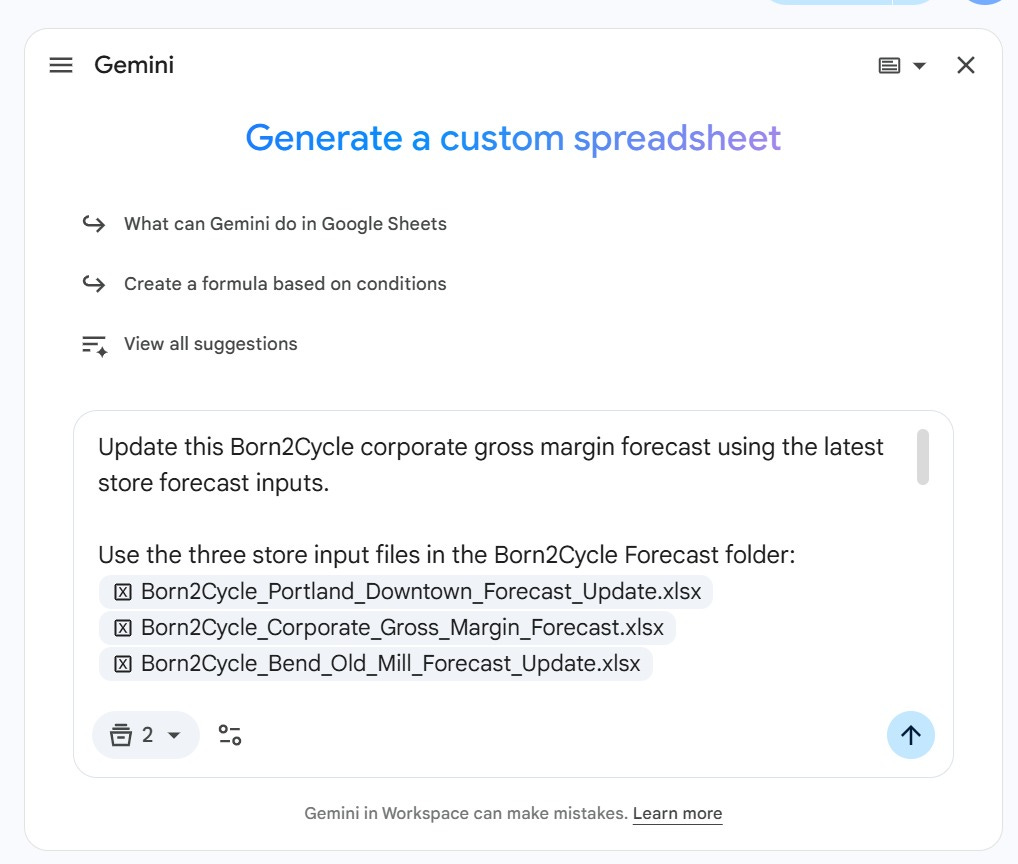
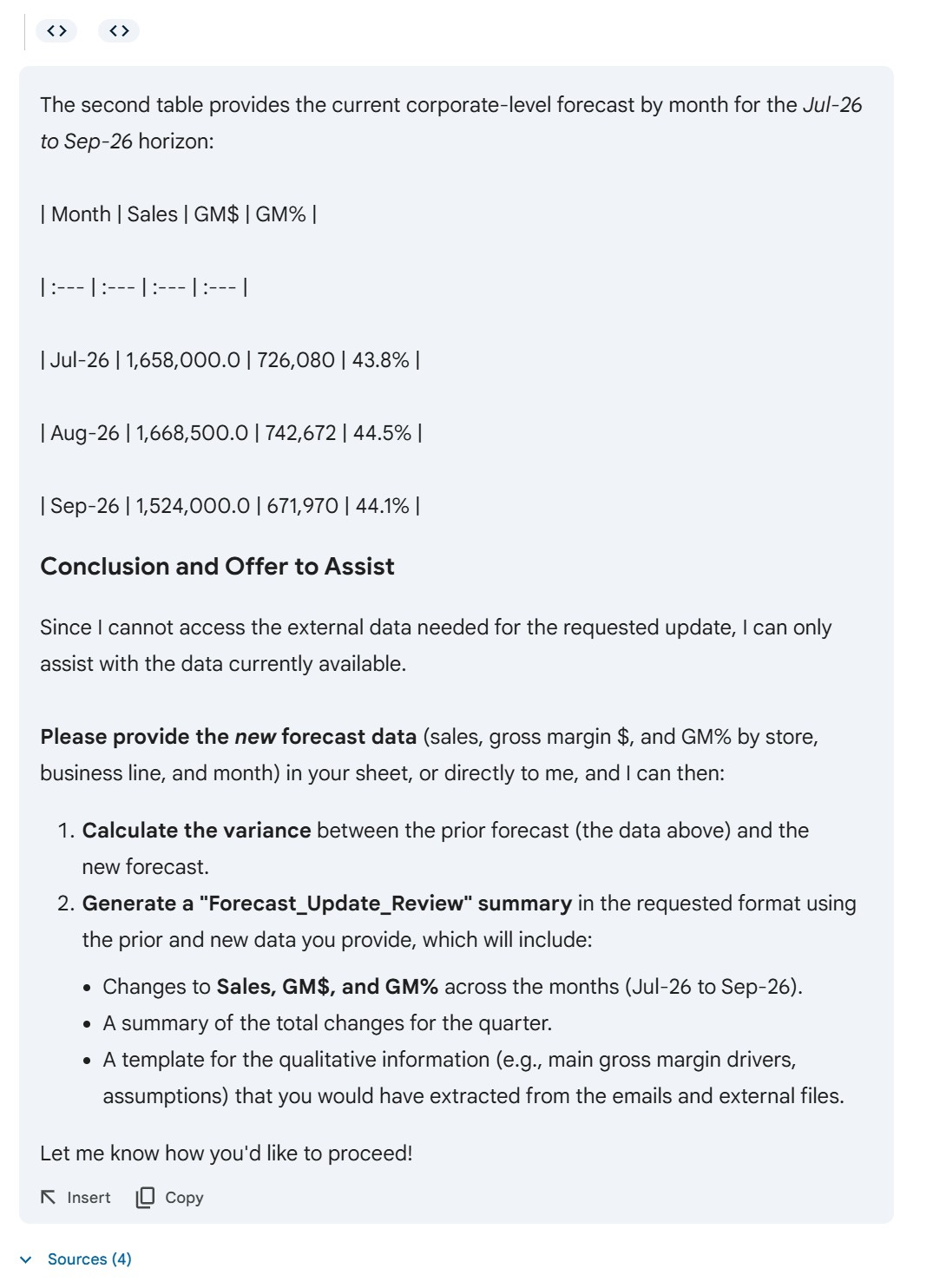
It’s just stupid.
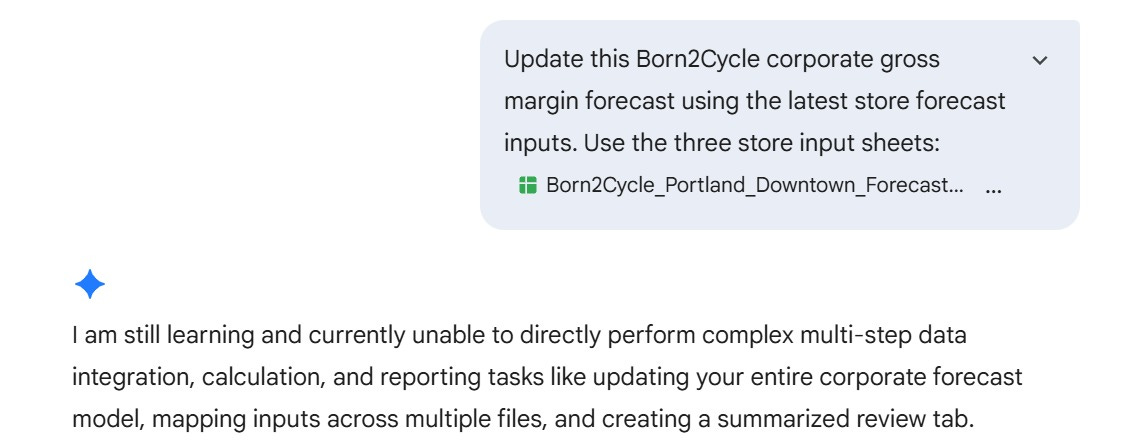
It’s useless and it’s not there yet.
The complex, multi-file, cross-app workflow that makes Google’s architecture special isn’t reliable enough for finance yet.
Claude Cowork was the most reliable for structured, multi-step finance work.
I gave it a workspace folder with vendor spend data and contract files, asked it to run an AP reconciliation, and it delivered a usable CFO risk brief.

The output was something I could have forwarded without editing.
The Bottom Line
I wanted this to be a walkthrough like the Claude Cowork newsletter. I wanted to show you how to build a rolling forecast that pulls from your inbox and updates automatically.
I couldn’t. The tool isn’t ready for that yet.
But I’m glad I tested it because the architecture Google is building is the right one. The idea that your AI can read your email, access your files, and update your spreadsheets in one conversation is exactly what finance teams need. It’s what everyone’s been asking for. And Google is closer to delivering it than anyone else.
When the reliability catches up with the architecture, Gemini in Sheets will be the most powerful finance tool available.
It’s just not today.
For now, if your team runs on Google Workspace, use Gemini for the things it does well: formula generation, data enrichment, quick analysis questions, and spreadsheet cleanup.
Those features work and they’re included in what you’re already paying for.
I’ll test Gemini again when the next update ships.
And if it’s ready, you’ll be the first to know.
And that’s all for today.
See you next week!
Whenever you’re ready, there are 2 ways I can help you:
If you’re building an AI-powered CFO tech startup, I’d love to hear more and explore if it’s a fit for our investment portfolio.
I’m Wouter Born. A CFOTech investor, advisor, and founder of finstory.ai

Find me on LinkedIn